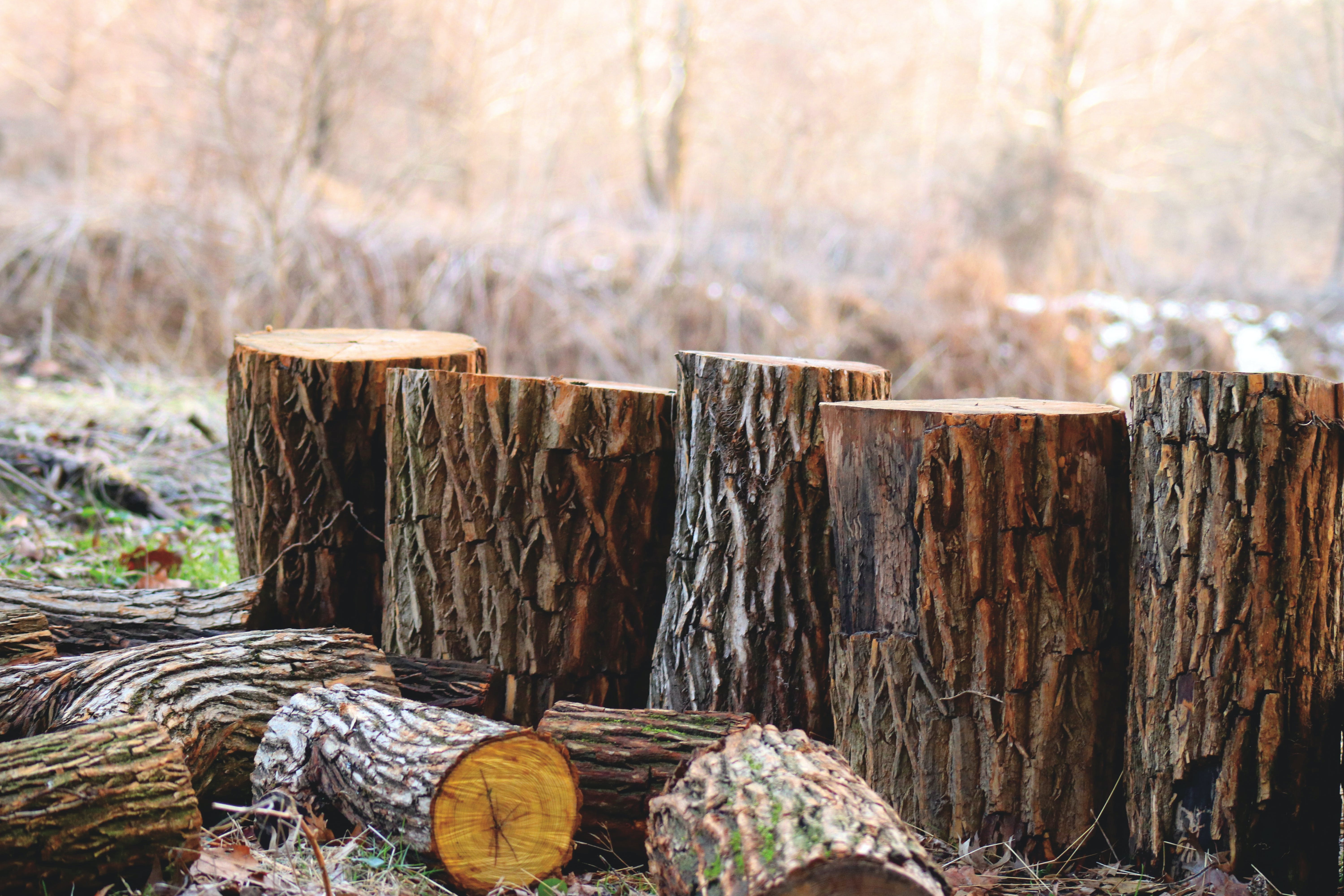


When you need to remove a tree from your property, the first thing that likely comes to mind is, “How much will this cost?” Tree removal is not only about chopping down a tree but also about handling it safely, disposing of it, and often removing the stump. In this blog, we’ll walk you through the key factors that affect tree removal cost, what you can expect to pay, and tips for saving money while ensuring a job well done.

Factors That Affect Tree Removal Cost
Several factors play a role in determining the cost of tree removal. It’s essential to understand these elements so you can gauge whether you’re getting a fair price and make informed decisions.
1. Tree Size
One of the most significant factors is the size of the tree. Larger trees take more time, labor, and equipment to remove. For instance:
- Small Trees (Under 30 feet): These include fruit trees and ornamental varieties. Removal typically costs between $150 to $500.
- Medium Trees (30-60 feet): Maples and oaks fall into this category, with prices ranging from $200 to $1,000.
- Large Trees (Over 60 feet): These trees, like pines and large oak trees, can cost anywhere from $500 to $2,000 or more.
The taller and thicker the tree, the more you’ll pay.
2. Tree Condition
A healthy tree is harder to remove than one that is dying or dead. A dead tree is often more brittle, making the job easier. However, if the tree is diseased, it might be more complicated because of safety concerns or extra precautions. Healthy trees typically incur higher costs for removal because they are stronger, and removing them requires more labor.
3. Location of the Tree
Where the tree is situated on your property will affect tree removal costs. If it’s in an open area, like the middle of a lawn, the job will be more straightforward. However, trees near structures, power lines, or other trees will require careful planning and special techniques, adding to the price.
For instance, removing a tree from your front yard could be significantly less expensive than removing one that’s near your home or a utility line. Tree removal professionals may need special tools or even a crane to get the job done without damaging nearby structures, which can raise the cost considerably.
4. Urgency of Removal
If you need a tree removed immediately—for example, after a storm—you should expect to pay a premium. Emergency services are often priced higher because companies have to prioritize your job over others or bring in extra personnel to complete the job quickly.
5. Stump Removal
Some tree removal companies include stump removal in their estimates, but others charge extra for it. Leaving the stump behind can cause future problems, like pests or new growth. Stump removal costs range from $50 to $300 depending on the size, type, and depth of the stump. Grinding the stump down is usually less expensive than fully removing it, but you might want to clarify the specifics with the service provider.
How Much Does Tree Removal Cost?
Now that we’ve covered the factors that affect pricing, let’s talk about the average costs. The cost of tree removal varies based on the details above, but on average, you can expect to pay:
- Small Tree: $150 – $500
- Medium Tree: $500 – $1,000
- Large Tree: $1,000 – $2,000+
It’s crucial to get quotes from several companies before you decide. Prices can vary widely depending on the location, expertise, and equipment needed for the job. Always compare quotes from at least three reputable tree removal services.

Additional Costs to Consider
In addition to the basic tree removal cost, there are a few other expenses to keep in mind.
1. Debris Removal
Many tree removal services will include the cost of removing branches and leaves in their estimate. However, if the tree is particularly large or has a lot of foliage, this might come with an additional charge. Be sure to clarify whether debris removal is included in the initial quote or if you will have to pay extra for it.
2. Log Splitting
If you have a fireplace or wood-burning stove, you might want to keep the wood from the tree to use as firewood. Some companies will offer to split the logs for you at an extra charge, typically ranging from $75 to $150.
3. Permit Costs
Depending on your location, you may need a permit to remove certain trees, especially if they are protected by local laws. Permits can cost anywhere from $50 to $200, and in some areas, it might take a while to get one approved.
4. Travel Fees
If you live in a rural area or far from a major city, tree removal services might charge a travel fee. This fee typically ranges from $50 to $150, depending on how far the crew has to travel.

Saving Money on Tree Removal
Tree removal is a necessary investment for your property, but that doesn’t mean you have to pay top dollar. Here are some tips to help you save money on tree removal:
1. Get Multiple Quotes
As mentioned earlier, one of the best ways to save is by getting multiple quotes from tree removal companies. This will give you a good idea of the going rate in your area and prevent you from overpaying.
2. Remove the Tree in the Off-Season
Tree removal is often more affordable during the off-season. Spring and fall are the busiest times for tree services due to the growth of new trees and storms, so consider scheduling the removal for winter when demand is lower.
3. Do Some Work Yourself
If you’re able to, you could save on costs by handling some of the labor yourself. For example, you might be able to remove small branches or clear away debris after the job is done. While you should leave the actual tree removal to professionals, clearing the area or handling smaller tasks might reduce the overall cost.
4. Ask About Discounts
Many tree removal companies offer discounts to repeat customers, military veterans, or senior citizens. Don’t be afraid to ask if any special deals are available when you’re getting your quotes.
5. Bundle Services
If you need more than one tree removed, or if you also need stump removal or tree trimming, consider bundling the services together. Some companies offer discounts for multiple jobs done at once.
Why You Should Hire a Professional for Tree Removal
While it might be tempting to save money by attempting to remove a tree yourself, this is rarely a good idea. Tree removal is dangerous, especially if the tree is large or close to buildings. Professionals have the training and equipment necessary to remove trees safely, and they are insured in case something goes wrong.
In addition, professional tree removal companies will have the permits and knowledge to comply with local regulations, which can save you from potential fines or legal issues.

Conclusion
Tree removal costs can vary widely based on the size, condition, and location of the tree. On average, you can expect to pay between $150 and $2,000, but additional costs like stump removal, debris clearing, and permit fees can push that number higher. By getting multiple quotes, removing trees during the off-season, and bundling services, you can reduce the cost of tree removal.
Before you hire a tree removal service, be sure to ask about their experience, insurance, and pricing structure to ensure you’re getting the best value for your money.
Leave a Reply